November 9, 2026
Maintaining a healthy, attractive lawn involves more than regular mowing and watering. Homeowners must also consider how irrigation practices influence the insects living throughout their yards. While sprinkler systems support healthy grass and plants, excessive moisture can create conditions that attract pests and encourage their populations to grow. Understanding this relationship can help homeowners make informed lawn care decisions. With proper watering schedules, routine maintenance, and targeted insect removal, it is possible to maintain a thriving outdoor environment while limiting unwanted insect activity.
Understanding Sprinkler Systems and Their Impact
Exploring Common Sprinkler System Types
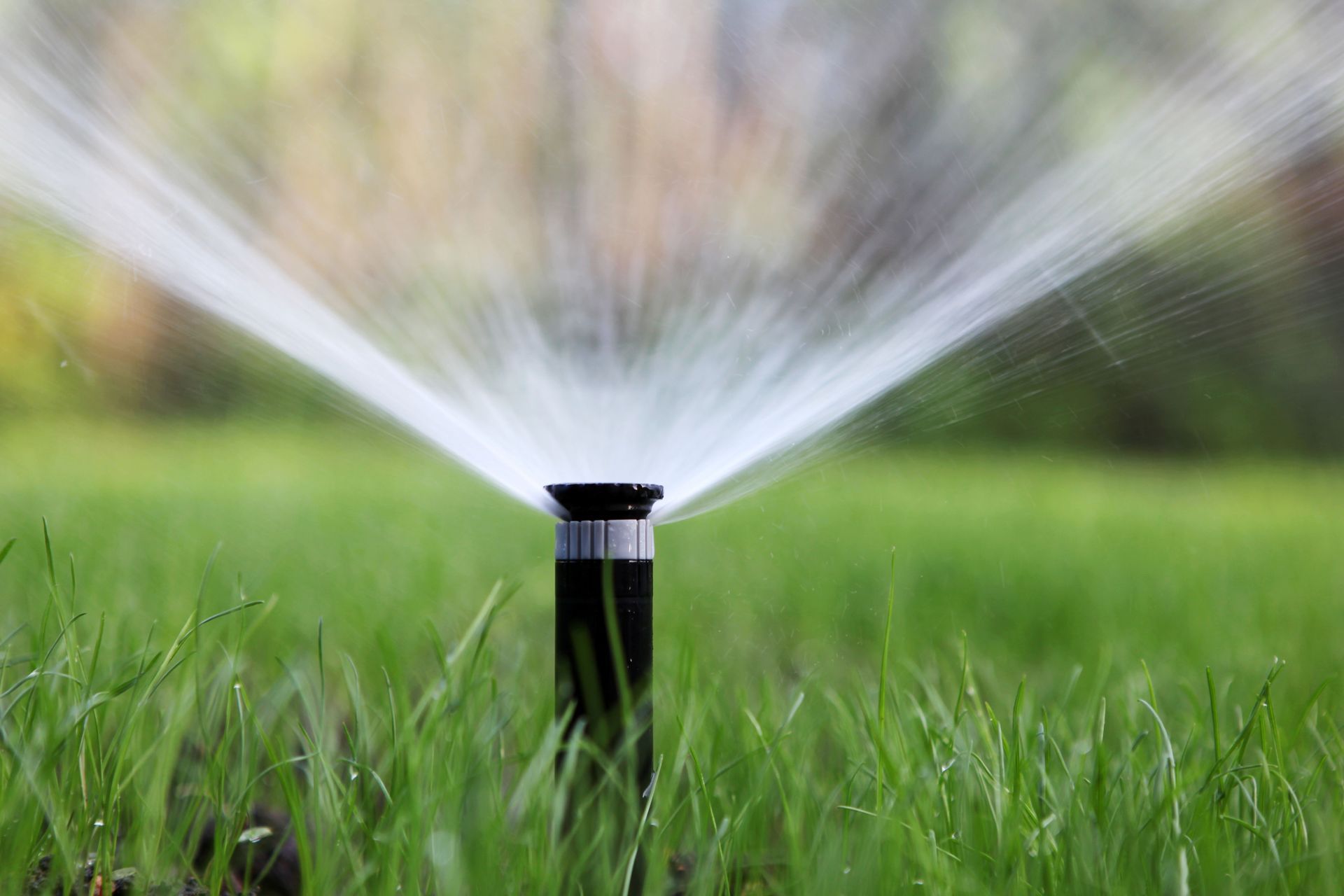
Sprinkler systems come in several varieties, each offering different benefits for lawn maintenance. Oscillating sprinklers distribute water across rectangular areas, while impact sprinklers provide targeted coverage through rotating water streams. Drip irrigation systems deliver moisture directly to plant roots, helping reduce evaporation and surface water. Underground systems offer convenient coverage, and smart irrigation systems use timers and sensors to adjust watering according to weather conditions and soil moisture.
Choosing the right system depends on yard size, soil composition, vegetation, and available water pressure. These factors also influence how much moisture remains on the lawn after watering. Systems that distribute water unevenly may leave certain areas excessively wet, creating favorable conditions for insects that prefer damp environments. Proper equipment selection and configuration can support healthier vegetation while reducing opportunities for unwanted pest activity.
Maintaining Proper Sprinkler System Components
A sprinkler system relies on several components working together, including pipes, valves, sprinkler heads, and a central control system. Damaged pipes, leaking valves, or improperly positioned sprinkler heads can create puddles and saturated soil. These conditions may attract moisture-dependent insects.
Regular inspections help identify problems before they become more significant. Homeowners should check sprinkler heads for clogs, examine connections for leaks, and confirm that each watering zone receives appropriate coverage. Smart controllers and rain sensors can prevent unnecessary irrigation when rainfall has already provided sufficient moisture. Maintaining consistent water distribution supports healthy grass and makes insect removal easier by limiting conditions that encourage pest populations.
Addressing Common Irrigation Challenges
Overwatering is one of the most common problems associated with sprinkler systems. Watering too frequently can weaken grass roots, encourage fungal growth, and create damp areas where certain insects thrive. Insufficient watering presents different challenges, including stressed vegetation and thinning grass that becomes more vulnerable to damage.
Weather conditions should influence irrigation schedules throughout the year. Heavy rainfall may eliminate the need for scheduled watering, while hot, dry periods may require adjustments. Moisture sensors and weather-based controllers can help homeowners make these decisions accurately. Proper scheduling helps maintain suitable soil conditions without creating unnecessary insect habitats.
Understanding Insects Commonly Found in Yards
Identifying Harmful and Beneficial Insects
Not every insect found in a yard presents a problem. Bees, ladybugs, and other beneficial species contribute to pollination and natural pest control. Ladybugs consume aphids, while spiders and praying mantises prey on insects that damage plants. Protecting these helpful species supports a balanced outdoor ecosystem.
Other insects can cause considerable damage to lawns and gardens. Grubs feed on grass roots, chinch bugs damage turf, and caterpillars consume leaves and other plant material. Ants can also become troublesome when their colonies interfere with landscaping or outdoor living spaces.
Accurate identification is important before beginning insect removal. Different species require different management approaches, and broad treatments may affect beneficial insects unnecessarily. Monitoring the lawn for damaged grass, unusual insect activity, and visible colonies helps homeowners determine whether intervention is necessary.
Recognizing Seasonal Insect Activity
Insect populations change throughout the year as temperatures, moisture levels, and food availability fluctuate. Spring often brings increased activity as insects emerge from dormant periods or hatch. Summer typically supports continued activity, particularly when warm temperatures and consistent moisture provide favorable conditions.
Fall is another important period for lawn maintenance. Some insects become less active as temperatures decrease, while others continue developing beneath the soil. Preparing the lawn before winter can strengthen vegetation and reduce vulnerability to future pest damage. According to HomeGuide, applying fertilizer three to four weeks prior to the initial frost nourishes root systems for faster growth in the spring.
Winter generally reduces insect activity, although certain species remain sheltered beneath the soil or within protected areas. Understanding seasonal patterns allows homeowners to schedule inspections and treatments when they are most effective. Planning ahead makes insect removal a more proactive part of maintaining the yard.
Managing Water and Insect Activity
Understanding Moisture and Insect Habitats
Water availability directly influences where many insects live, feed, and reproduce. Mosquitoes are particularly associated with standing water, where they lay their eggs. Other insects, including ants, seek moisture to support their colonies. Consistently wet soil, clogged drainage areas, and water collecting in outdoor containers can create attractive environments for unwanted species.
Sprinkler systems can contribute to these conditions when they operate too frequently or distribute water unevenly. Correcting drainage problems and adjusting sprinkler coverage can reduce these opportunities without depriving grass and plants of essential hydration.
Homeowners should also inspect less noticeable water sources around their properties. Clogged gutters, leaking outdoor faucets, and poorly drained planting beds can contribute to excess moisture. Eliminating standing water is particularly important when managing mosquitoes and other insects that depend on water during reproduction.
Adjusting Watering Schedules for Prevention
Watering schedules should reflect the lawn's actual needs rather than follow an inflexible routine. Early morning irrigation is generally beneficial because grass has time to absorb moisture before daytime temperatures increase. Watering later in the evening can leave grass wet overnight, potentially encouraging fungal problems and creating conditions favorable to some pests.
Soil type also influences watering needs. Clay soils retain moisture longer than sandy soils, while compacted areas may experience drainage difficulties. Understanding these differences helps homeowners avoid excessive irrigation in sections that already retain sufficient moisture.
Adjusting sprinkler heads to prevent overspray onto sidewalks, foundations, and planting beds can improve water management. These adjustments reduce waste and prevent unnecessary damp areas. Combined with routine inspections, thoughtful irrigation practices support effective insect removal and healthier landscaping.
Combining Irrigation With Integrated Pest Management
Integrated Pest Management (IPM) combines monitoring, prevention, and targeted treatments to control unwanted insects while minimizing environmental disruption. Rather than relying exclusively on pesticides, this approach considers the conditions that allow pests to thrive. Proper irrigation is important because moisture management can make certain areas less attractive to unwanted insects.
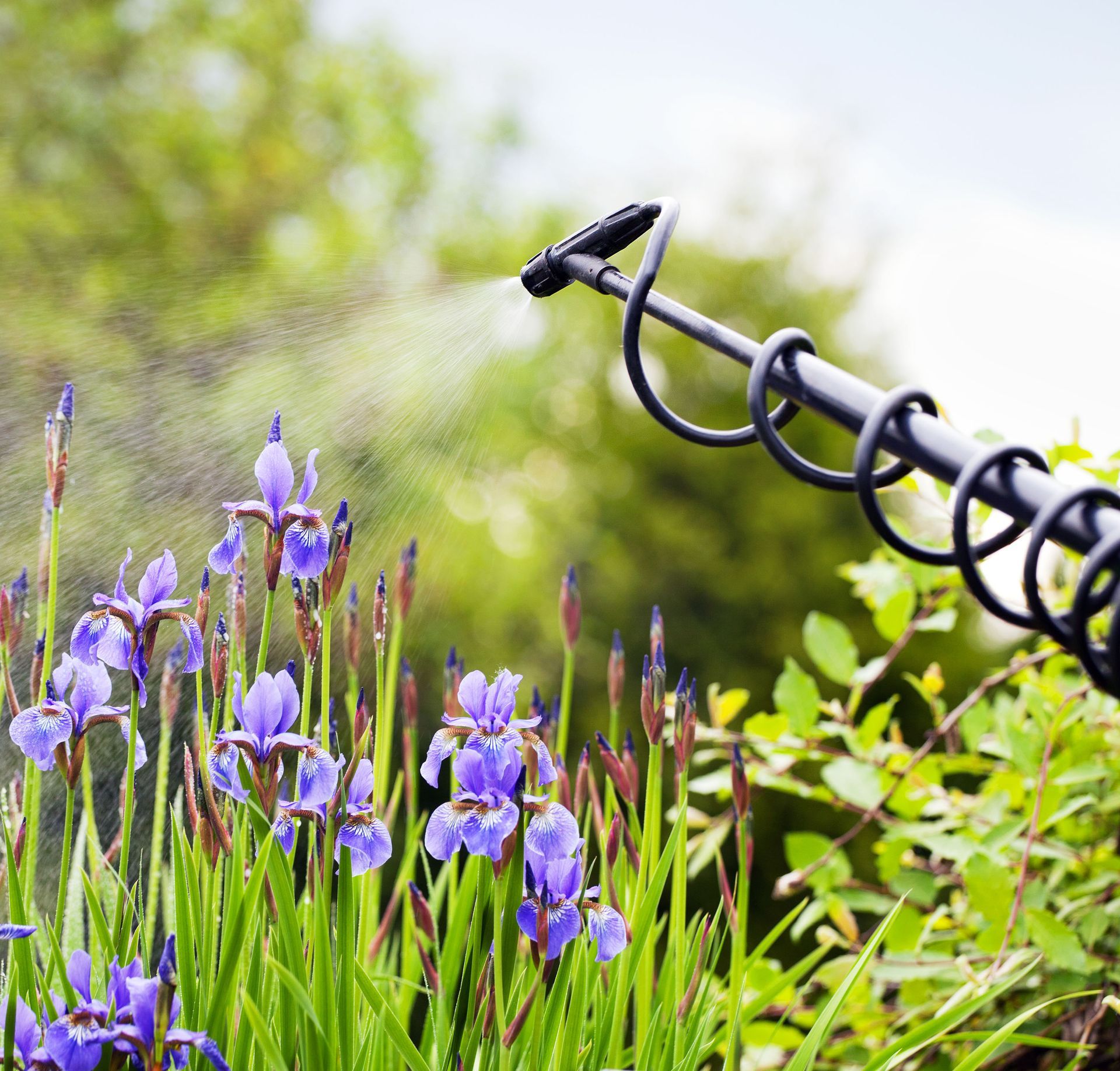
Regular inspections help identify developing problems before they spread. Homeowners can look for damaged grass, unusual insect concentrations, standing water, and signs of root deterioration. When an infestation develops, the appropriate treatment depends on the species involved and the severity of the problem.
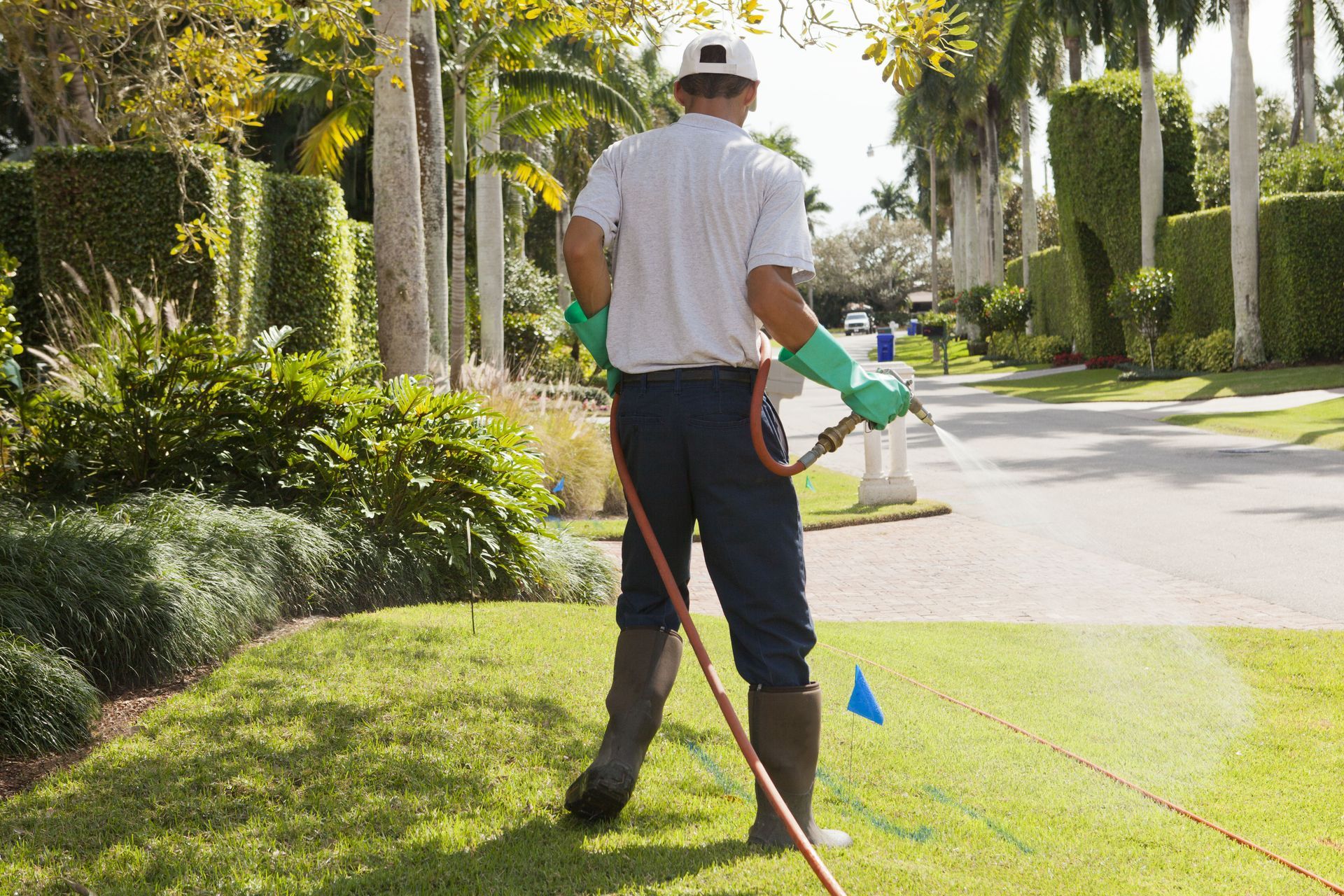
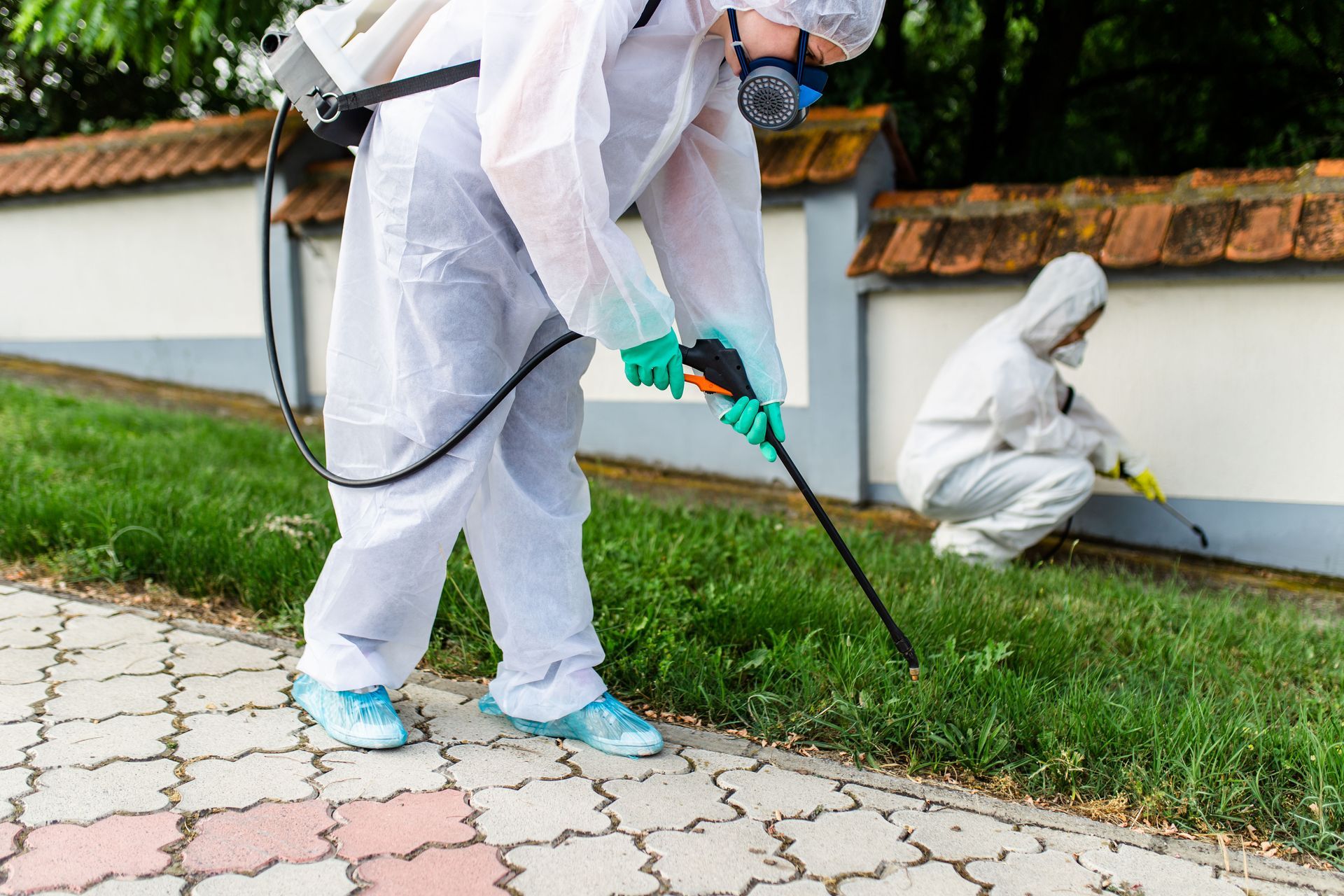
Professional treatments may be necessary when insect populations become difficult to manage independently. A lawn care professional can identify contributing conditions and recommend suitable solutions. Combining these services with improved watering practices can make long-term insect removal more manageable.
Supporting Long-Term Lawn and Insect Management
Strengthening Lawn Health Through Seasonal Care
A healthy lawn is generally better equipped to withstand environmental stress and minor insect damage. Regular mowing, appropriate fertilization, and proper watering contribute to stronger grass. Aeration can also relieve soil compaction, improving the movement of air, water, and nutrients through the root zone.
Seasonal maintenance should account for changing temperatures and growing conditions. During active growing periods, homeowners should monitor grass health and adjust irrigation as needed. In fall, preparing the lawn for colder weather supports root development and encourages healthier growth when spring arrives.
Although healthy landscaping cannot prevent every infestation, consistent care can reduce plant stress and make insect removal part of a comprehensive maintenance strategy.
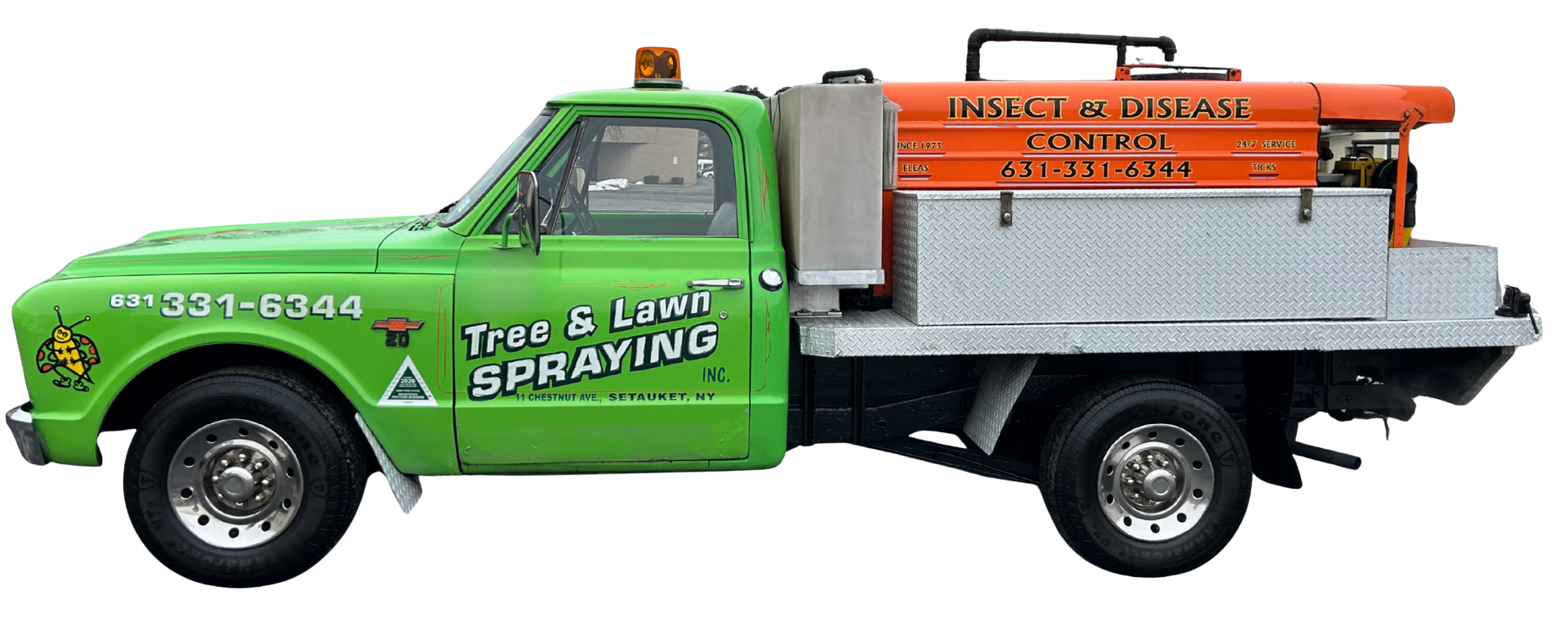
For homeowners looking to improve their outdoor spaces, working with a qualified provider can simplify ongoing lawn maintenance. A East End Tree & Lawn Spraying offers professional assistance with maintaining healthier landscapes and addressing unwanted insect activity. Combining appropriate treatments with responsible irrigation practices can help homeowners enjoy attractive, comfortable yards throughout the year.