July 13, 2026
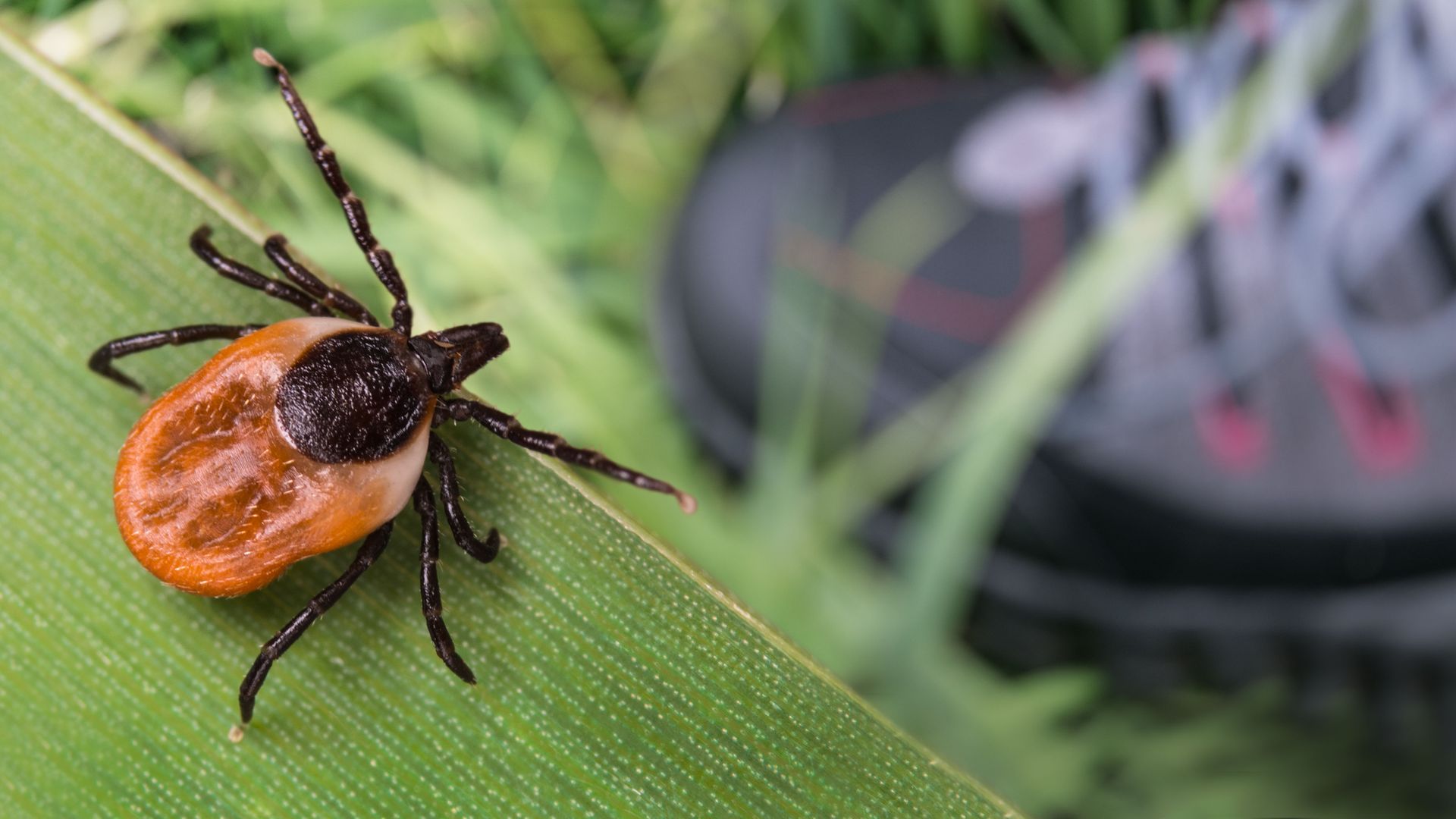
A lush, green yard is the perfect place for weekend barbecues, playing with furry companions, and relaxing under the summer sun with your family. Unfortunately, dense foliage, thick property borders, and tall grass also create the absolute ideal habitat for dangerous and problematic outdoor pests. When these microscopic invaders take over your property, standard lawn mowing and basic yard maintenance simply will not solve the underlying infestation problem.
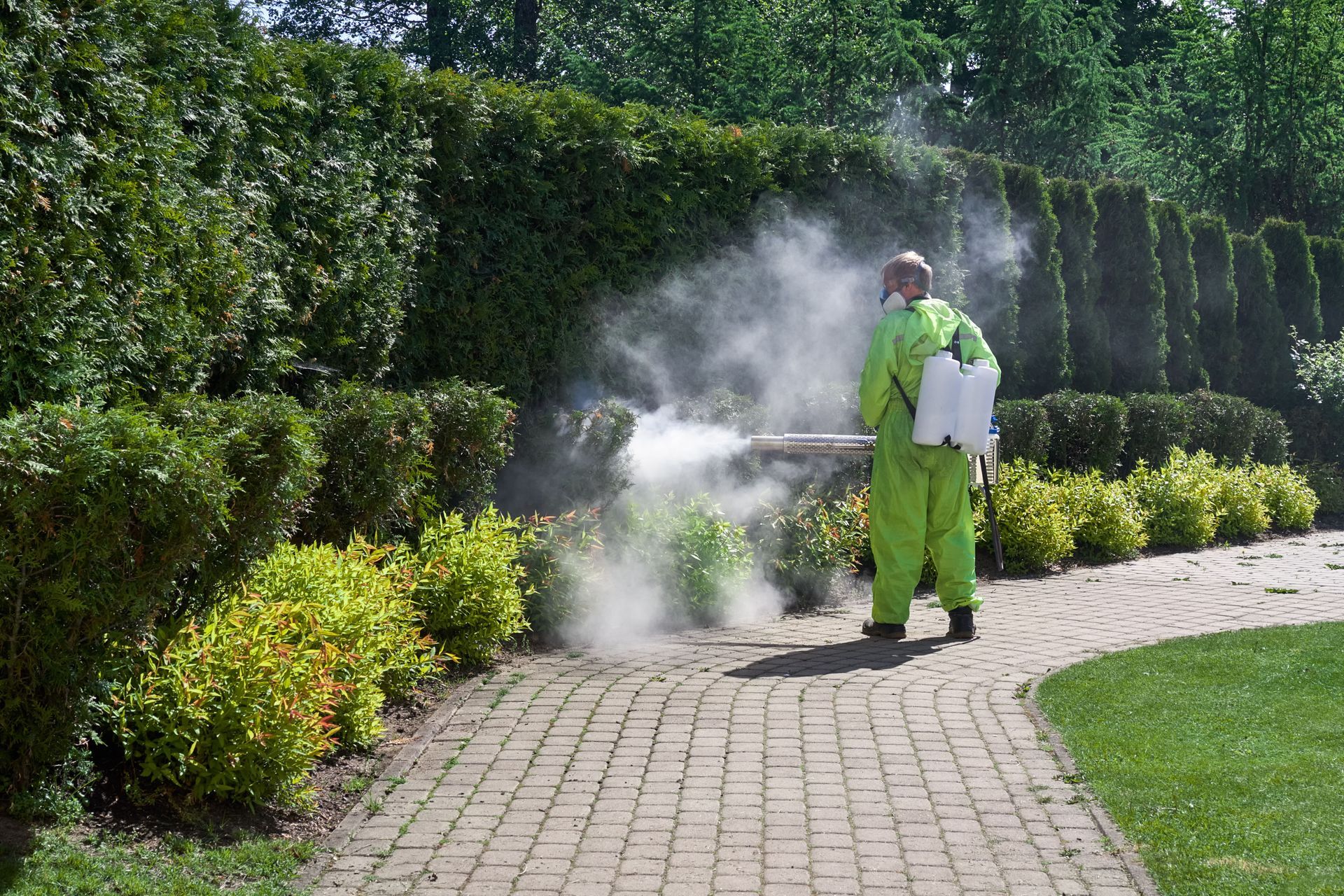
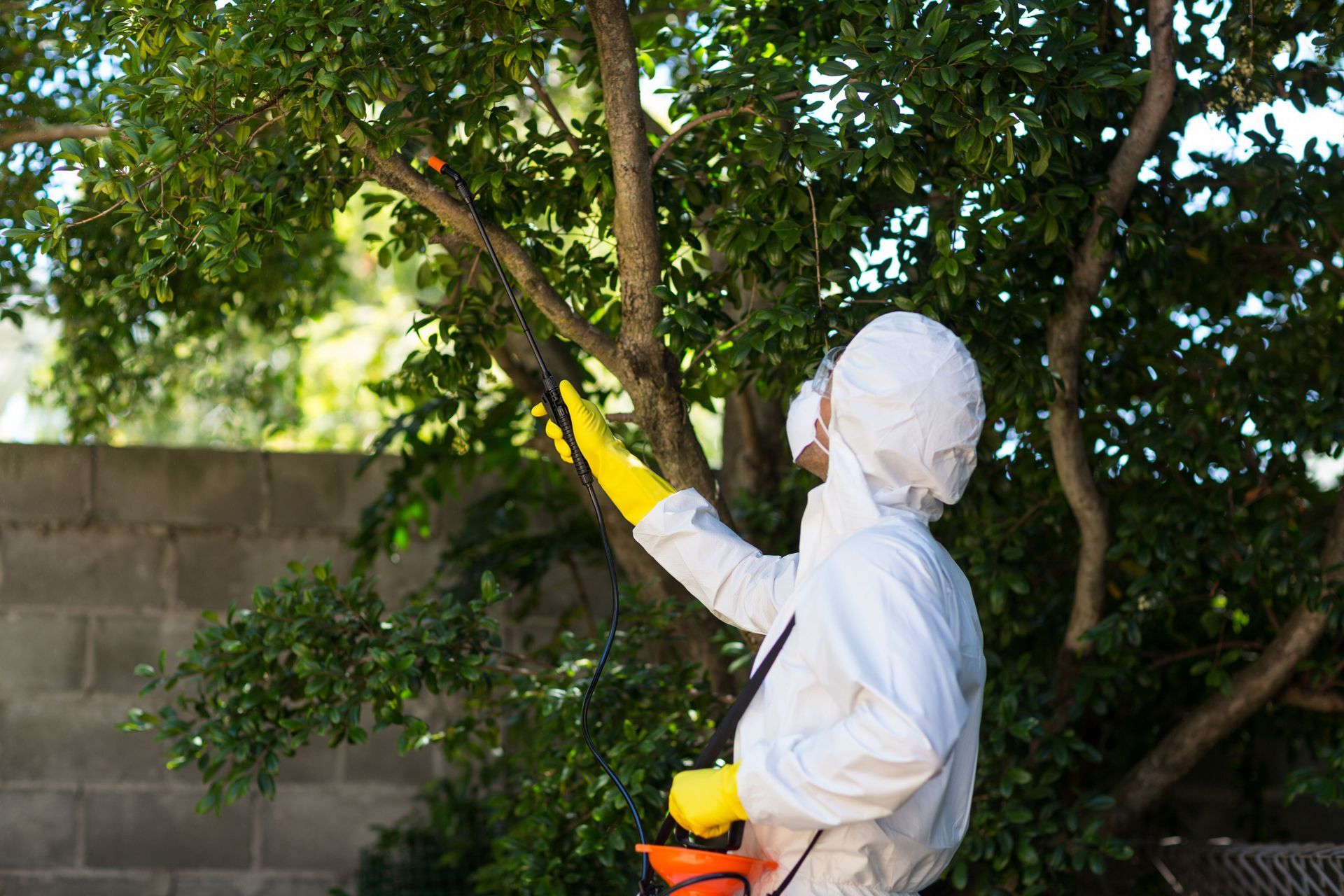
Professional intervention becomes entirely necessary when traditional outdoor maintenance can no longer keep pace with growing pest populations. Implementing effective property tick removal strategies ensures that your beautiful outdoor spaces remain completely safe and enjoyable throughout the year.
Evaluating Dense Foliage
Examine the perimeter of your property for overgrown brush, unmanaged thickets, and wild creeping vines. Ticks thrive in shaded, humid environments provided by untamed bushes, heavy decorative ivy, and dense organic ground cover. If your landscaping features heavy undergrowth near high-traffic walkways, your yard may be harboring hidden dangers.
Neglected foliage acts as a natural sanctuary for pests to multiply undisturbed by human activity or sunlight. Professional landscaping and targeted spraying disrupt these hidden habitats, making your yard significantly less hospitable to invading populations. Addressing these overgrown zones is a critical first step in establishing a comprehensive tick removal plan for your property.
Monitoring Wildlife Activity
Observe the types of wild animals that frequently cross through your grass or visit your gardens. Deer, small rodents, and raccoons act as primary hosts, transporting pests directly into residential spaces from nearby wooded areas. When wild animals frequent your lawn, they inevitably drop pests into your grass, creating localized infestations.
Managing wildlife access is a major component of long-term property protection and peace of mind. Combining preventative fencing with professional tick removal treatments helps break the breeding cycle on your lawn. Reducing wildlife traffic directly lowers the chances of pests establishing a permanent home in your backyard spaces.
Checking Tall Grass
Inspect the height of your grass, especially along property lines, fence rows, and wooded borders. Tall blades of grass provide the perfect climbing platforms for pests waiting to cling to passing hosts. If your lawn has areas that remain uncut or unmanured, you are inadvertently creating a pest highway.
Maintaining a short lawn reduces the moisture and shade that these arachnids require to survive and reproduce. When regular mowing is simply not enough to deter them, specialized tick removal services become absolutely necessary.
Auditing Shaded Zones
Identify the areas of your yard that receive minimal sunlight throughout the day due to mature tree canopies. Deep shade protects pests from the drying effects of the sun, allowing them to thrive and multiply rapidly. According to the National Library of Medicine, the danger of contracting an infection remains minimal if a tick is detached within 24 to 48 hours of a bite.
While swift personal protection is important after spending time outdoors, eradicating the pests from your landscape prevents these scary encounters entirely. Investing in expert tick removal ensures that these shaded breeding zones are thoroughly neutralized by trained technicians.
Inspecting Wood Piles
Review the placement and condition of your outdoor firewood storage piles and clear debris. Neatly stacked logs create dark, damp crevices that attract small rodents like mice, voles, and chipmunks. Because these rodents are primary hosts, wood piles quickly become hotspots for breeding pest populations.
Keeping wood storage away from your primary outdoor living spaces helps mitigate the risk of transfer. However, if wood piles are located near your patio, professional tick removal is highly recommended for safety. Technicians can treat the surrounding soil to stop pests from migrating toward your home and porch.
- Keep firewood stacked neatly in a dry, sunny location far from the main house.
- Elevate log piles off the ground using pallets, bricks, or metal racks.
- Clear away fallen leaves and organic debris from the base of the pile regularly.
Tracking Seasonal Changes
Analyze how the changing weather patterns impact the pest activity around your home from spring to autumn. Rising temperatures and high humidity levels trigger a massive surge in pest populations across the entire region. If you notice a sudden spike in pest sightings during the spring, immediate action is required.
Waiting until an infestation becomes overwhelming makes complete eradication much more difficult and costly for homeowners. Scheduling regular tick removal sessions before the peak season ensures continuous, uninterrupted protection for your household.
- Schedule early spring property inspections to catch emerging pests before they breed.
- Maintain monthly treatment barriers during peak summer humidity and heat waves.
- Apply late autumn perimeter applications before pests seek winter shelter under leaves.
Assessing Ground Cover
Take a close look at the types of ground cover utilized throughout your landscaping beds. Mulch, wood chips, and low-growing ivy provide excellent moisture retention for plants, but they also protect pests from heat. If these areas sit directly adjacent to your backyard patios or decks, the risk of contact increases.
Modifying your landscaping borders can create a natural deterrent that pests hesitate to cross. Utilizing gravel or stone barriers between wooded areas and lawns can significantly slow down pest migration patterns. When combined with regular tick removal applications, these physical barriers become exceptionally effective at maintaining a pest-free zone.
Examining Pet Behavior
Watch your domesticated pets closely when they return inside after playing in the backyard. Frequent scratching, grooming, or restlessness can indicate that pests are present in your grass and actively biting. Pets often bring these hitchhikers indoors, exposing the rest of the household to potential dangers.
Protecting your four-legged family members requires a dual approach of veterinary care and environmental control. Treating the yard directly stops the problem at the source before pests can attach to your animals. Investing in professional tick removal keeps your lawn safe for pets to roam freely without bringing pests inside.
Identifying Leaf Litter
Walk around your property borders to check for accumulated leaf litter from the previous autumn season. Decomposing leaves create a thick, insulated blanket over the soil that retains moisture and warmth perfectly.
Clearing away old leaves and composting them far from your active living spaces reduces available habitats. If your property backs up to a forest, completely removing leaf litter can be an ongoing battle. Professional tick removal targeting these specific boundary lines provides an invisible shield that stops pests in their tracks.
Reviewing Neighboring Properties
Consider the condition of the properties immediately adjacent to your own home or business. If neighboring yards are unkempt, overgrown, or neglected, their pest problems will inevitably spill over into your grass. Even the most pristine lawn can suffer from infestations if surrounding areas are completely unmanaged.
You cannot control how your neighbors maintain their land, but you can protect your own perimeter. Establishing a powerful chemical or organic boundary line prevents migrating pests from crossing over into your yard. Strategic tick removal treatments form a defensive wall that keeps your outdoor spaces isolated from neighborhood pest pressures.
- Communicate with neighbors about coordinating preventative property treatments for better community results.
- Establish a three-foot-wide barrier of wood chips or gravel along property lines.
- Focus professional spraying efforts heavily along shared fences and overgrown property borders.
Analyzing Outdoor Seating
Inspect the perimeter around your outdoor seating arrangements, dining patios, playground sets, and pool decks. Pests do not simply stay in the deep woods; they crawl onto structures searching for hosts. If your patio furniture is surrounded by tall ornamental grasses or shrubs, pests can easily transfer to guests.
Keeping seating areas situated in sunny, well-ventilated parts of the yard helps reduce potential pest encounters. Treating the immediate surroundings of your outdoor entertainment spaces ensures that social gatherings remain comfortable and safe. Routine tick removal keeps these high-traffic entertainment zones completely clear of unwanted, biting visitors.
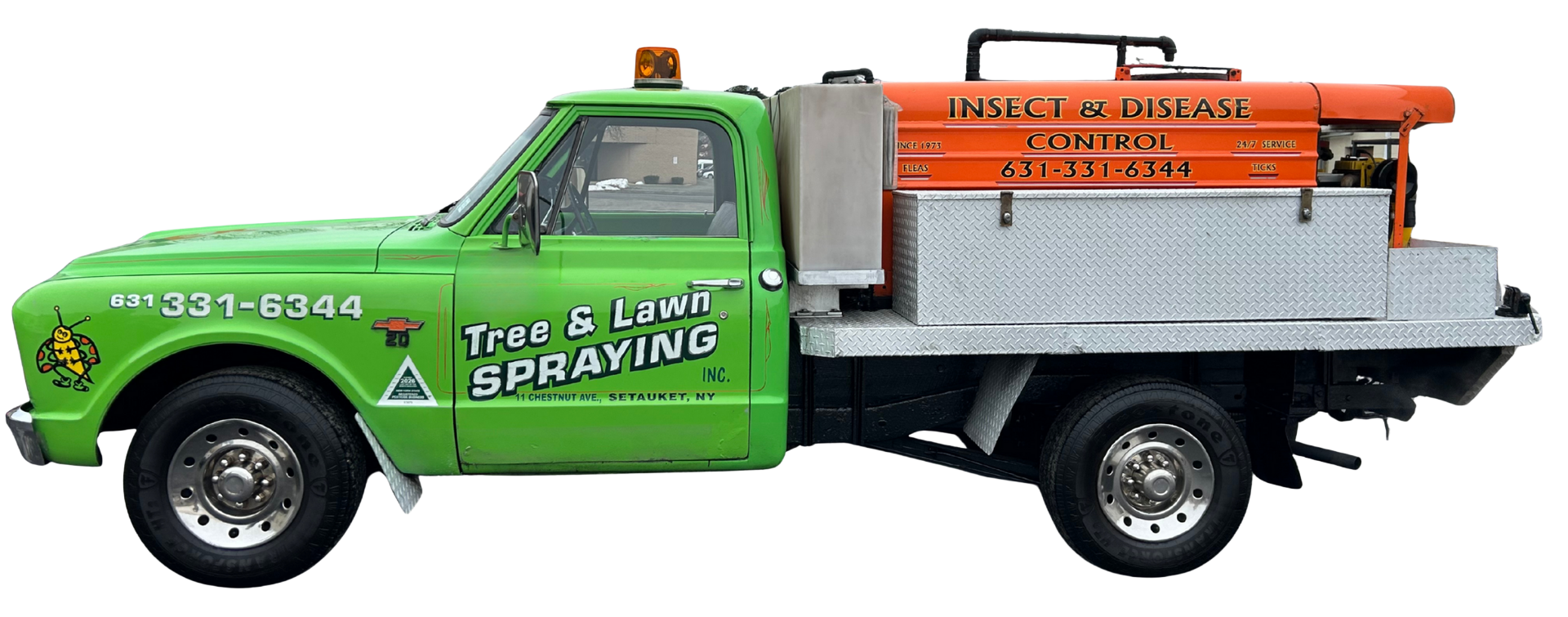
Take back total control of your lawn and safeguard your loved ones by contacting A East End Tree & Lawn Spraying for expert property protection today.