November 12, 2026
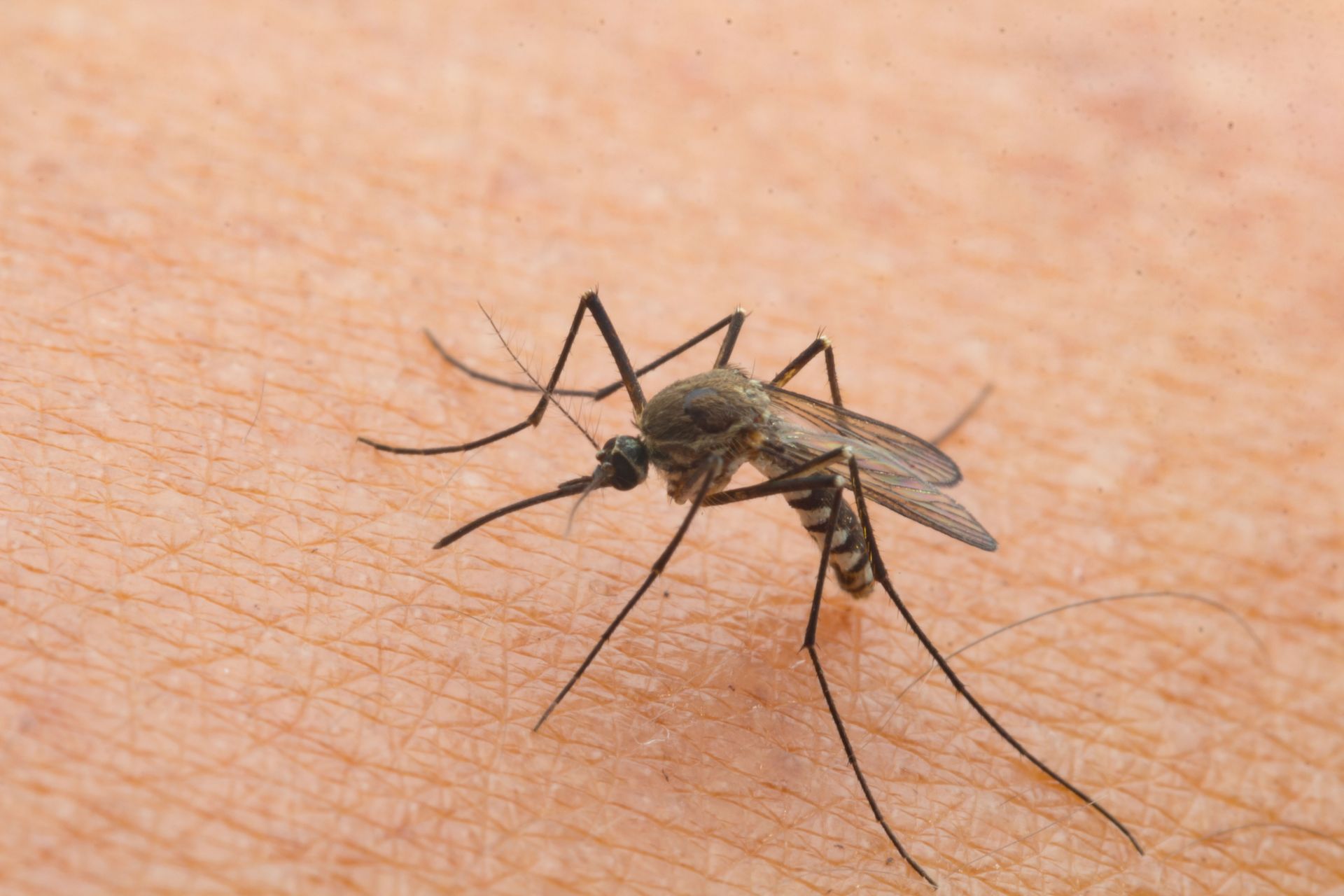
Mosquito activity can vary significantly from one property to another. While climate and location play a role, landscaping choices, standing water, drainage problems, and other environmental conditions can make certain yards especially appealing to these pests. Understanding what attracts mosquitoes is an important first step toward managing their presence and making outdoor spaces more comfortable.
Homeowners can reduce mosquito-friendly conditions through vegetation maintenance and moisture management. However, some properties require additional attention to control persistent activity. Identifying the factors that attract mosquitoes helps homeowners determine which preventative measures and professional mosquito spraying services are appropriate.
Understanding Environmental Factors That Attract Mosquitoes
Local Climate and Weather Conditions
Warm temperatures and humid conditions create favorable environments for mosquitoes. These insects are generally more active during warmer months, when temperatures support reproduction and development. Rainfall can also increase mosquito activity by creating temporary pools of water where eggs can hatch, and larvae can develop.
Even small changes in weather can influence mosquito populations. Extended periods of rain may leave behind puddles, while high humidity allows adult mosquitoes to remain active. These conditions make it important for property owners to consider seasonal patterns when planning mosquito control.
The demand for protection against biting insects reflects how widespread this concern has become. According to Statista, in 2022 the global insect repellent market was valued at $7.1 billion. This figure highlights considerable interest in solutions that help people manage insect exposure. Alongside personal repellents, mosquito spraying services can address outdoor areas where mosquitoes gather.
Vegetation and Plant Growth
Dense vegetation provides mosquitoes with shaded areas where they can rest during the hottest parts of the day. Overgrown shrubs, tall grass, and thick ground cover create sheltered environments that retain moisture and support mosquito activity. Properties with neglected landscaping may therefore experience more mosquitoes than regularly maintained yards.
Plants can also contribute to local humidity by retaining moisture around the ground. Although flowering plants are valuable additions to many landscapes, mosquitoes may visit them for nectar. Maintaining healthy vegetation while keeping growth under control can help reduce potential resting areas.
Regular trimming, mowing, and general landscape maintenance can make outdoor spaces less appealing to mosquitoes. Homeowners should also pay attention to shaded corners and areas behind landscaping features. These steps can complement professional mosquito spraying services by reducing some of the conditions that attract pests.
Nearby Water Sources
Water is essential to the mosquito life cycle, making standing water one of the most important factors influencing mosquito populations. Ponds, lakes, drainage ditches, and other nearby water sources can contribute to activity around residential properties. Smaller sources, including birdbaths, plant saucers, and uncovered containers, can also provide opportunities for mosquitoes to reproduce.
Homeowners should regularly inspect their properties for unnecessary water accumulation. Cleaning gutters, emptying outdoor containers, and correcting drainage problems can eliminate common breeding locations. Water features should also receive appropriate maintenance to prevent stagnant conditions.
Although homeowners cannot always control natural water sources on neighboring properties, they can limit conditions within their own yards. When mosquito activity continues despite these efforts, professional mosquito spraying services may provide another layer of protection.
Geographical and Seasonal Influences
Geographical location affects the types of mosquitoes found in an area and the conditions that support their populations. Properties near wetlands, wooded areas, and other natural habitats may experience different levels of mosquito activity than those in developed environments. Local vegetation, humidity, and available water sources also influence where mosquitoes gather.
Seasonal changes further affect mosquito behavior. Warmer temperatures typically encourage greater activity, while colder weather generally reduces adult mosquito populations. However, different species have different life cycles and survival patterns, meaning mosquito concerns can vary throughout the year.
Understanding local seasonal conditions helps homeowners plan preventative maintenance and schedule treatments at appropriate times. A proactive approach can address mosquito activity before it becomes a persistent nuisance.
Examining Property Features That Encourage Mosquito Activity
Stagnant Water and Outdoor Structures
Residential properties often contain structures and everyday items that unintentionally collect water. Clogged gutters, unused flowerpots, children's toys, buckets, and outdoor furniture can hold moisture after rainfall. Even small amounts of standing water may provide suitable conditions for mosquito development.
Routine property inspections can help homeowners identify these problem areas. Removing unnecessary containers, cleaning gutters, and covering items that must remain outdoors can limit opportunities for water accumulation. Homeowners should also check around sheds and decks where water may collect unnoticed.
These maintenance practices are important, but they do not address every source of mosquito activity. Nearby properties and natural environments may continue contributing to local populations, making broader mosquito management strategies useful. Mosquito spraying services can help address activity beyond what routine property maintenance can manage.
Drainage and Moisture Management
Poor drainage can leave certain sections of a yard consistently damp. Low-lying areas, clogged drains, and improperly directed downspouts may allow water to accumulate after storms. These conditions can create attractive environments for mosquitoes.
Improving drainage helps prevent unnecessary moisture from lingering around a property. Solutions may include cleaning drainage channels, correcting grading issues, or installing appropriate drainage features. Maintaining gutters and directing runoff away from problem areas can also make a difference.
Homeowners should pay attention to areas beneath decks, along foundations, and near driveways. These locations may be easy to overlook during routine yard maintenance but can contribute to ongoing moisture problems.
Outdoor Living Areas and Building Features
Patios, decks, porches, and other outdoor living spaces can become uncomfortable when mosquitoes gather nearby. Shaded seating areas surrounded by dense landscaping may provide convenient resting locations for these insects. Outdoor structures can also create sheltered spaces where mosquitoes avoid direct sunlight and wind.
Screened porches and properly maintained window screens help limit mosquito entry into frequently used spaces. Homeowners can also improve airflow by using outdoor fans and keeping surrounding vegetation trimmed.
However, individual barriers do not address mosquito populations throughout the surrounding landscape. Combining practical property improvements with mosquito spraying services can help homeowners take a more comprehensive approach to outdoor mosquito management.
Landscape Design and Water Features
Landscape design influences mosquito activity through its effects on shade, moisture, and water retention. Decorative ponds, fountains, and other water features may become attractive breeding locations when water remains stagnant. Dense plant arrangements can also create humid conditions that provide shelter for adult mosquitoes.
Homeowners do not necessarily need to eliminate attractive landscape features to reduce mosquito activity. Instead, they can focus on proper water circulation, routine cleaning, and thoughtful plant placement. Maintaining open spaces between shrubs and keeping vegetation trimmed can improve airflow throughout the yard.
Recognizing Biological and Ecological Influences
Local Wildlife and Natural Predators
Birds, bats, dragonflies, and other wildlife can contribute to natural mosquito population management. These animals may consume mosquitoes or other insects at different stages of their life cycles. However, natural predators alone cannot reliably prevent mosquito activity around a residential property.
Supporting local biodiversity through appropriate habitat choices can contribute to a healthier outdoor environment. Homeowners should also be mindful of unnecessary pesticide use that could affect beneficial insects and other wildlife. Professional mosquito management should account for surrounding environmental conditions when determining appropriate treatment methods.
Surrounding Insect Populations
Other insects influence local ecosystems through competition for food and habitat. These relationships can affect mosquito populations, although the results vary depending on the species and environmental conditions. A property's overall insect activity is influenced by more than one environmental factor.
Rather than attempting to change the entire ecosystem, homeowners can concentrate on manageable conditions such as standing water, dense vegetation, and poor drainage. These practical steps address several common factors that make residential properties attractive to mosquitoes.
Homeowners looking for a more comfortable outdoor environment can turn to A East End Tree & Lawn Spraying for professional assistance. Contact the company to discuss mosquito spraying services and learn how targeted treatments can complement regular property maintenance. With a consistent approach, homeowners can better manage mosquito activity and make their yards more enjoyable throughout the warmer months.