November 20, 2026
Trees, shrubs, and other plants contribute to the beauty, shade, and environmental health of residential and commercial properties. From flowering gardens to mature trees, healthy landscapes create inviting outdoor spaces and support local wildlife.
However, not every plant growing on a property is harmless. Some species can cause skin irritation, allergic reactions, poisoning, or other health concerns. Others may become hazardous because of disease, invasive growth, or their proximity to walkways and outdoor living areas.
Identifying potentially dangerous vegetation is an important part of responsible landscape management. Certified arborists have specialized knowledge of trees, woody plants, and landscape health that helps them recognize potential hazards and recommend appropriate solutions. Their experience is particularly valuable when property owners encounter unfamiliar vegetation or notice changes in established trees and shrubs.
On Long Island, where residential landscapes feature a variety of native and ornamental plants, professional plant identification can help property owners make informed decisions about maintaining safer outdoor environments.
Recognizing Plants That Cause Skin Irritation
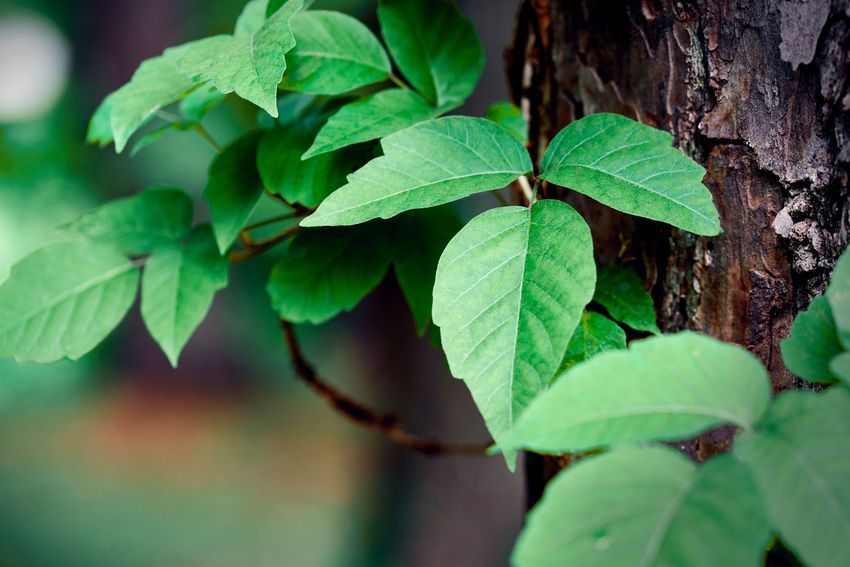
Some hazardous plants create problems through direct contact with their leaves, stems, roots, or sap. Poison ivy, poison oak, and poison sumac are well-known examples. These plants contain urushiol, an oily substance that can trigger allergic contact dermatitis in susceptible individuals.
According to the National Library of Medicine, approximately 50% to 75% of the adult population in the United States is clinically sensitive to poison ivy, sumac, and oak. Exposure can result in an itchy rash, redness, swelling, and blisters. Reactions vary from person to person, and symptoms may develop after contact rather than appearing immediately.
Recognizing these plants is not always straightforward. Poison ivy, for example, can grow as a low groundcover, climbing vine, or shrub. Its appearance may also change throughout the growing season. Leaves can display different shades of green, red, or orange depending on the time of year.
Certified arborists can help distinguish potentially irritating species from harmless vegetation. Accurate identification is especially important in properties with gardens, wooded boundaries, play areas, and frequently used outdoor spaces. Professional assessment can help determine the extent of unwanted growth and identify appropriate management options.
Identifying Toxic and Potentially Harmful Vegetation
Beyond plants that cause skin irritation, some landscape species contain substances that can be harmful if ingested. Certain ornamental shrubs, flowering plants, and berries may pose risks to children, pets, and wildlife.
For example, yew plants contain toxic compounds, while some parts of oleander plants are highly poisonous. Other species may produce irritating sap, harmful berries, or seeds that should not be consumed. The level of risk depends on the plant species, the part involved, and the nature of exposure.
Plant identification is therefore an important consideration when planning and maintaining outdoor spaces. A species that appears attractive may not be appropriate for every property, particularly where children and pets regularly spend time.
Certified arborists can identify many woody landscape species and recognize characteristics associated with potentially harmful vegetation. Their botanical knowledge helps property owners understand what is growing on their land and whether further evaluation or management is recommended.
When a suspected poisonous plant has been ingested or a significant exposure occurs, property owners should seek guidance from an appropriate medical professional or poison control service. Landscape assessments support prevention and property management, but they do not replace medical advice.
Detecting Hazardous Growth Near Outdoor Spaces
The location of a plant can influence how much risk it presents. Vegetation growing along walkways, near patios, around playgrounds, or beside frequently used entrances may create more opportunities for accidental contact.
Climbing vines can also spread across fences, sheds, trees, and other structures. As growth expands, hazardous species may become more difficult to recognize, particularly when mixed with other vegetation. Dense groundcover can similarly conceal unwanted plants along property boundaries and garden edges.
A professional landscape assessment considers more than the identity of an individual plant. It also examines its location, growth habits, surrounding vegetation, and relationship to everyday property use.
Certified arborists can help identify problematic growth and explain how its placement may affect the surrounding landscape. Their recommendations can support a more informed approach to vegetation management while preserving desirable plants and maintaining the appearance of the property.
For Suffolk County property owners, this attention to placement is especially useful in wooded residential areas and properties with established gardens or naturalized sections.
Recognizing Signs of Diseased or Deteriorating Trees
Not all hazardous plants present risks through toxicity or skin irritation. Trees can also become dangerous when disease, decay, or structural deterioration affects their stability.
Changes in foliage, unusual growth patterns, dead branches, fungal structures, and visible trunk damage may indicate underlying problems. While some symptoms are relatively minor, others can suggest more serious concerns that require professional evaluation.
For example, fungal growth near the base of a tree may be associated with internal decay or root problems. Large dead branches can become falling hazards, particularly during strong winds or severe weather. Cracks, cavities, and significant changes in trunk condition may also warrant closer attention.
Certified arborists understand how environmental conditions, pests, diseases, and structural defects affect tree health. They can evaluate visible symptoms, assess potential hazards, and recommend appropriate care based on the tree's condition.
This expertise is valuable throughout Eastern Long Island, where coastal weather, seasonal storms, and changing environmental conditions can place additional stress on landscape vegetation.
Evaluating Seasonal and Environmental Changes
Plant identification and hazard assessments are not limited to one season. Vegetation changes throughout the year, and those changes can influence visibility, growth, and potential exposure.
During spring, new foliage and emerging groundcover can make it easier for certain unwanted species to spread into gardens and frequently used outdoor areas. Summer brings fuller growth, which may conceal irritating plants beneath other vegetation. In autumn, changing leaf colors can make species identification more challenging, while falling branches and storm-related damage may introduce additional concerns.
Winter also presents important landscape considerations. Without leaves, certain plants become easier to examine structurally, although dormant vegetation can be harder to identify without knowledge of its bark, buds, stems, and growth patterns.
Professional evaluations account for these seasonal differences. Certified arborists use their understanding of plant characteristics and growing cycles to help distinguish species and recognize changes that may affect landscape safety.
On the East End of Long Island, salt exposure, coastal winds, soil conditions, and seasonal weather patterns can also influence plant health. Considering these local factors helps ensure that recommendations are appropriate for the property's environment.
Maintaining Healthier and Safer Landscapes
Identifying hazardous plants is only one part of maintaining a healthy landscape. Long-term property care also involves monitoring vegetation, recognizing emerging problems, and managing unwanted growth before it becomes more difficult to address.
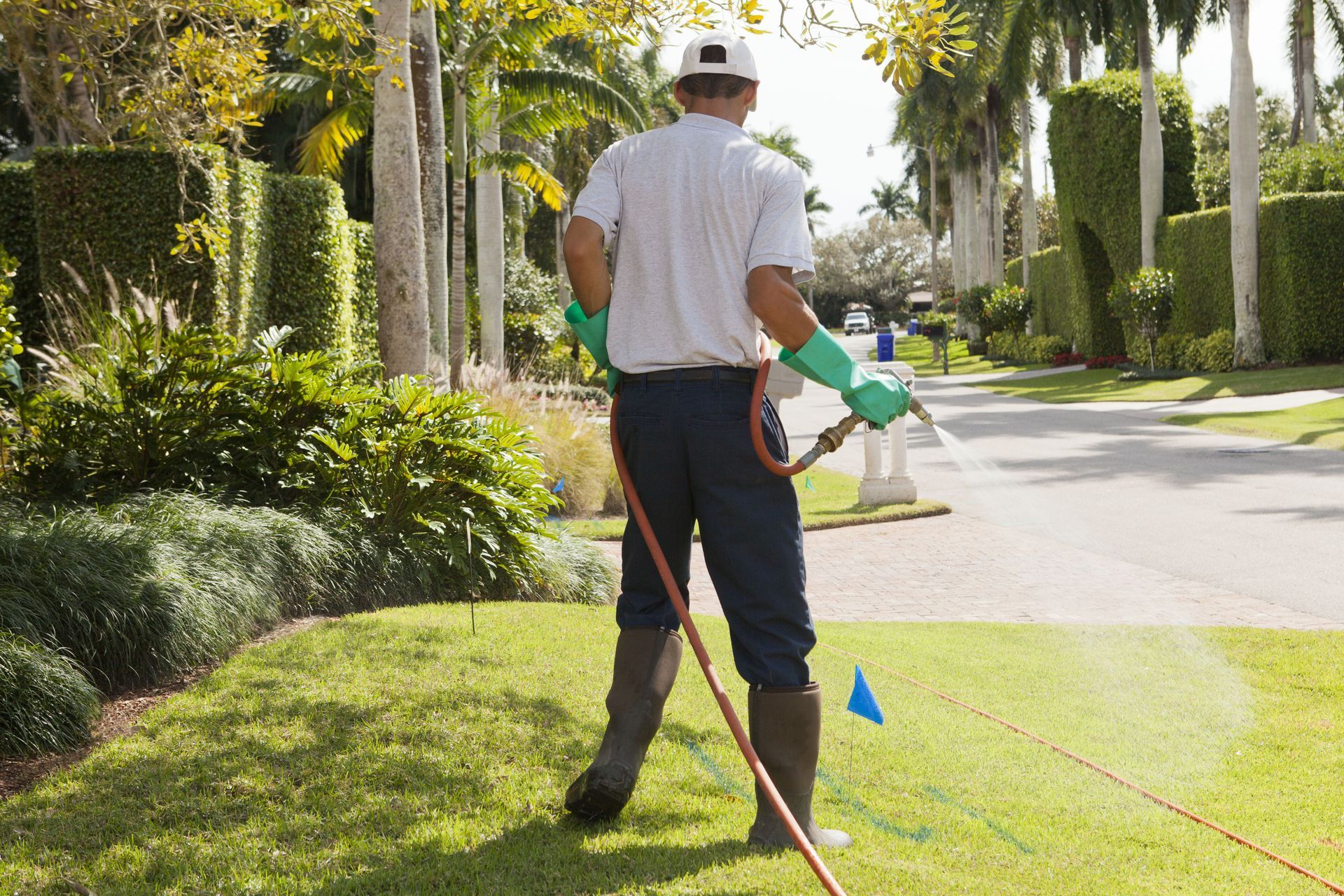
Professional tree and lawn services can help property owners maintain attractive outdoor spaces while addressing vegetation-related concerns. Depending on the property's needs, appropriate services may include plant identification, tree health evaluations, vegetation management, and lawn spraying.
A knowledgeable professional can also explain how different plants interact with surrounding trees, shrubs, turf, and garden areas. This broader perspective helps support landscape health without overlooking potential hazards.
Regular evaluations by certified arborists help identify hazardous plants, detect disease, and manage unwanted growth. Property owners can benefit from professional guidance to maintain healthy, attractive landscapes and address potential risks. Contact A East End Tree & Lawn Spraying today to schedule a professional consultation!